A Partner Mindset — Built for Carolina Communities
We work in communities where names matter, schools matter, and relationships actually last.

We’re a boutique mortgage broker built for people across the Southeast who value thoughtful guidance, honest communication, and real partnerships.
The Carolinas have always been a place to discover, settle in and live well. We’re here to help you do the same.
We’re a veteran-owned, independent brokerage rooted in North and South Carolina, working alongside clients and partners as they make decisions about where to put down roots next. With thirty years of experience, we advocate for our people — offering expert, local guidance through the Carolina markets we know intimately.


Tagline




Because budgeting apps, side hustles, and skipping avocado toast didn’t magically fix the housing market, this guide exists to explain how mortgages actually work right now.
It’s not a pipe dream. The rules just changed.
The Carolinas don’t work like national markets — and neither do we. Relationships matter more. Local knowledge goes further. And the way deals get done is shaped by the communities they’re in.
We work in communities where names matter, schools matter, and relationships actually last.
What works in one Carolina neighborhood won’t always work a mile away — we know the difference.

When reputations travel, clear communication isn’t optional — it’s how trust is built.


We believe in paying it forward.
That’s why a portion of every loan supports the ROB Foundation, a local nonprofit providing college scholarships to students who have lost a parent. The foundation honors the life of Rob — a friend and member of our extended team — whose passing in 2021 deeply affected our community.
Through this partnership, every closing helps support students as they move toward a future of opportunity.

Salt, sun & easy living
Easy mornings, salty air, and a pace that feels intentional.

For those who believe where you live should shape how you live.




Subtly Refined
This is where opportunity meets lifestyle — with walkable centers, thoughtful development, and a strong sense of momentum

Where mountain living meets four-season appeal.




Secure & Steady
Neighborhoods built for staying put — where schools, community, and everyday life connect naturally.
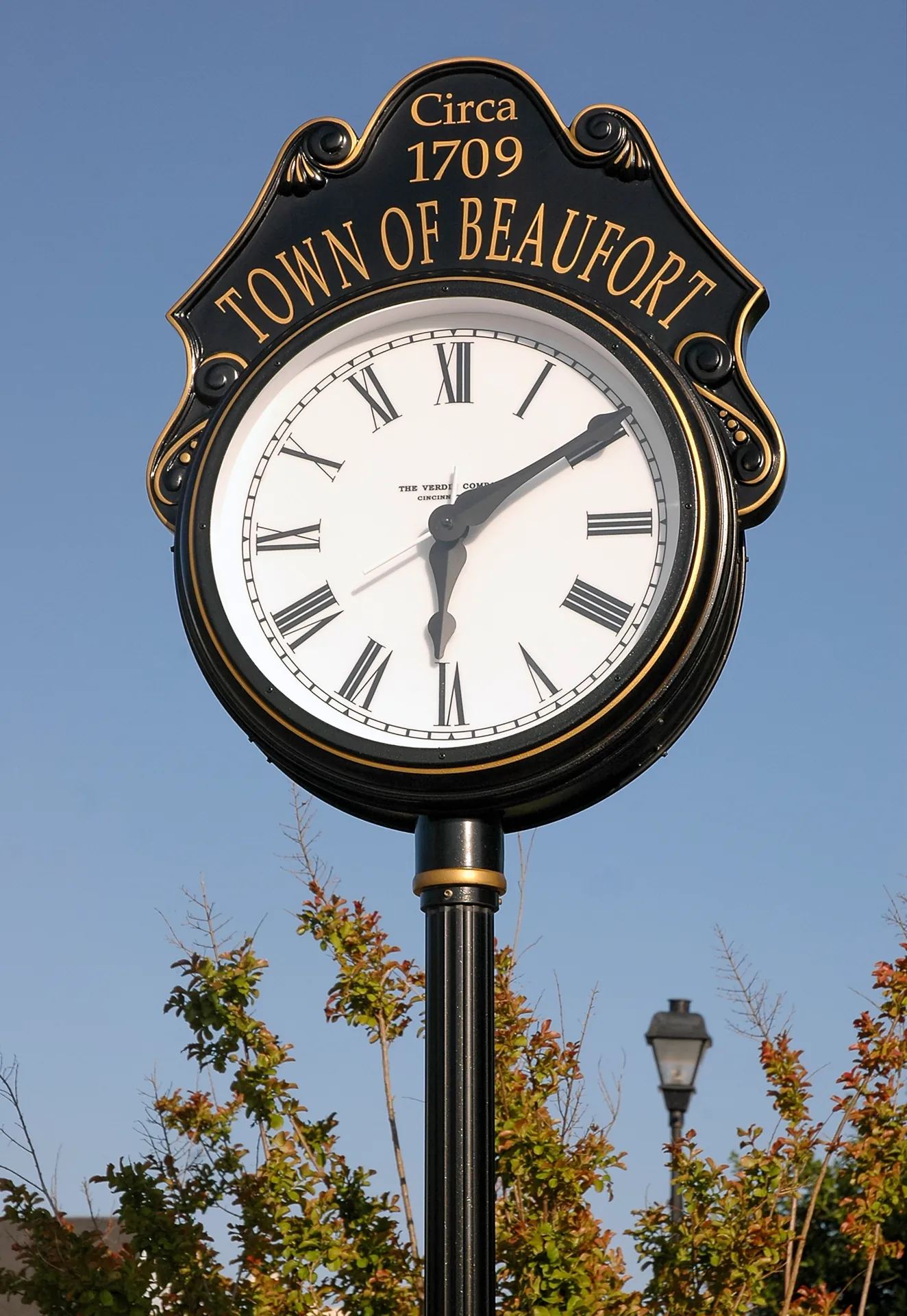
A place that balances growth with familiarity.




Room to breathe
Where weekends slow down, views open up, and life finds a steadier rhythm.

For people drawn to space, nature, and a sense of quiet purpose.




Independent Spirit
For those drawn to culture, craft, and a mountain backdrop that feels lived-in — not just visited.

Creative, independent, and deeply connected to place.
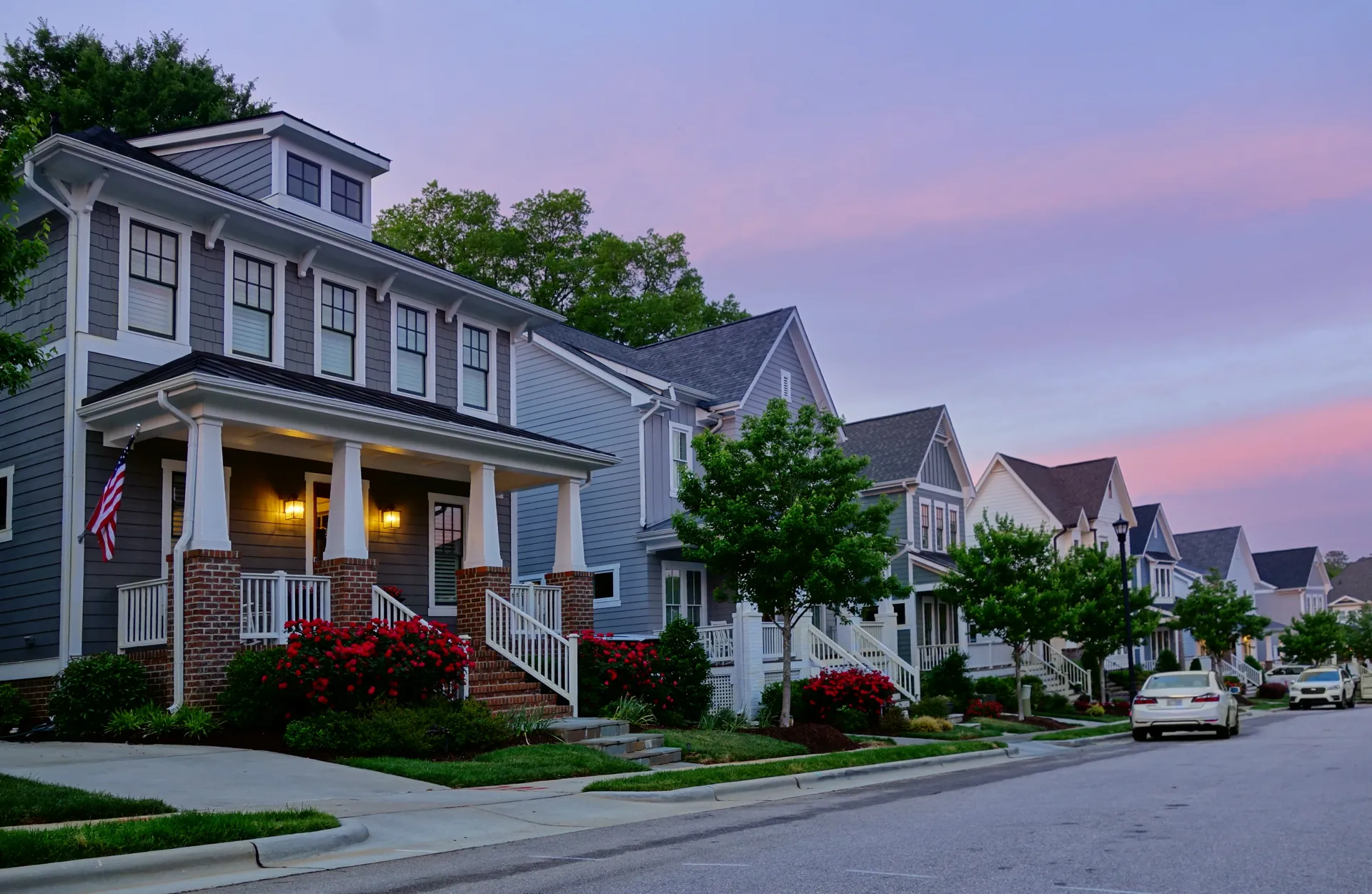


Coast
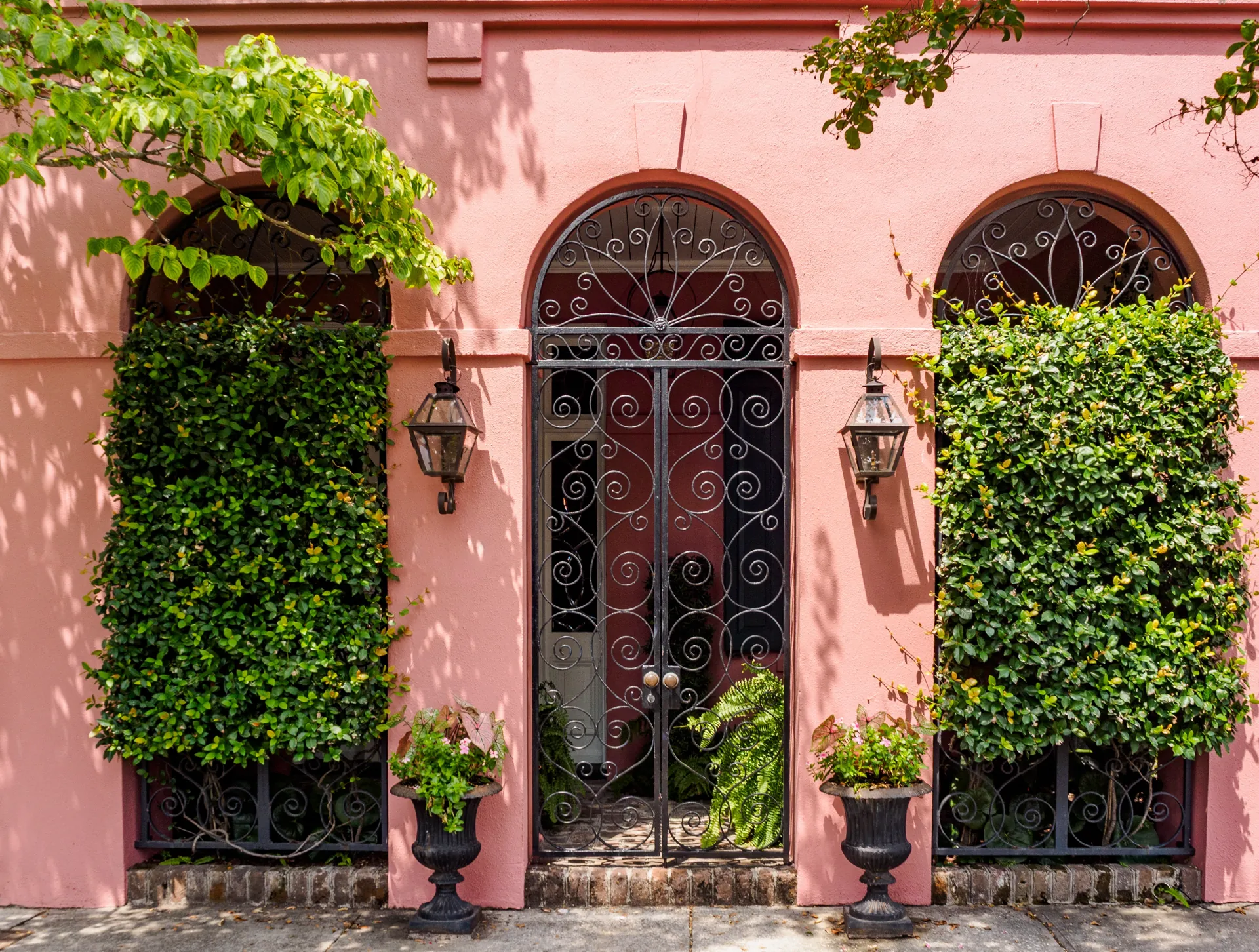
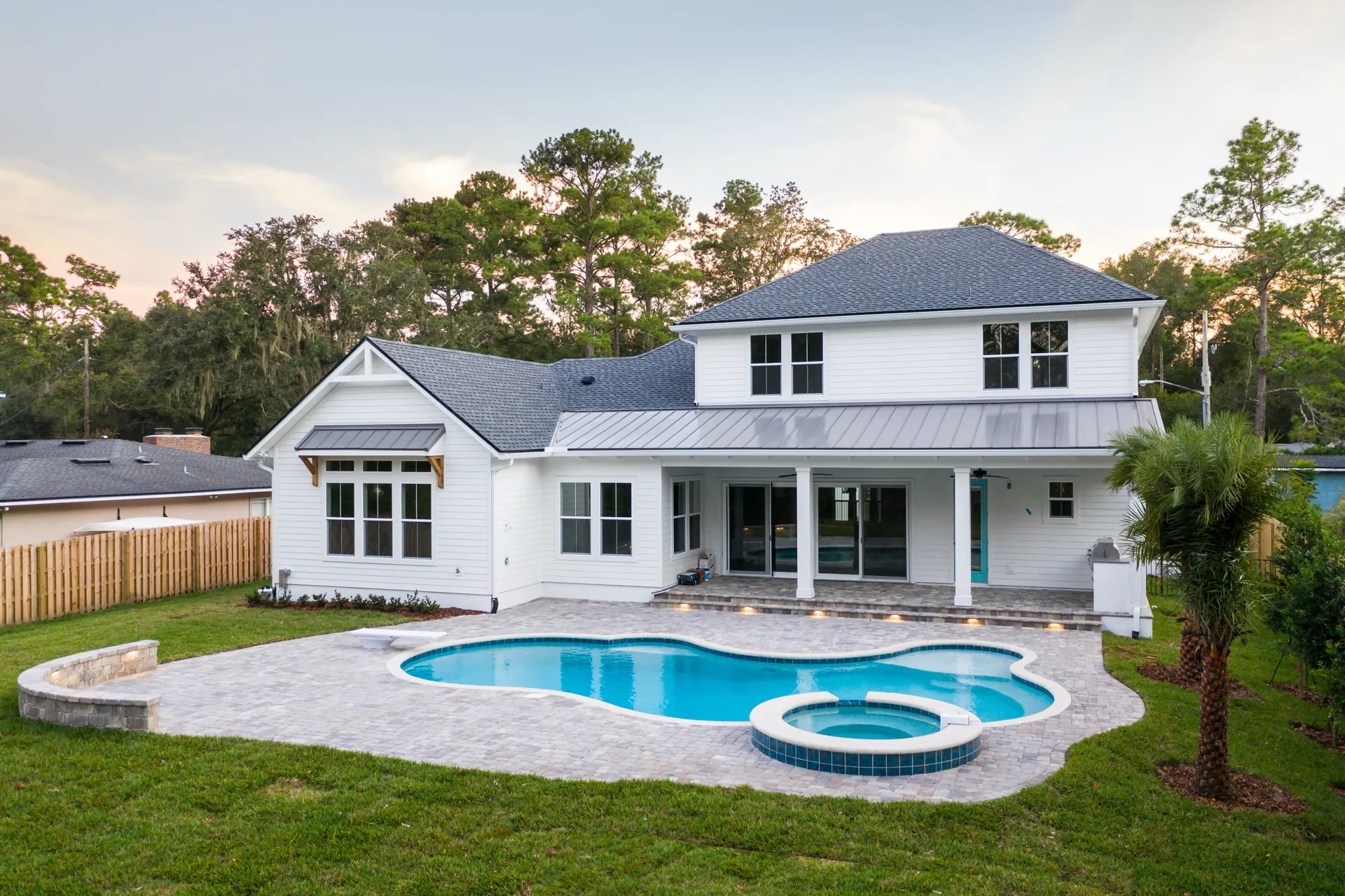
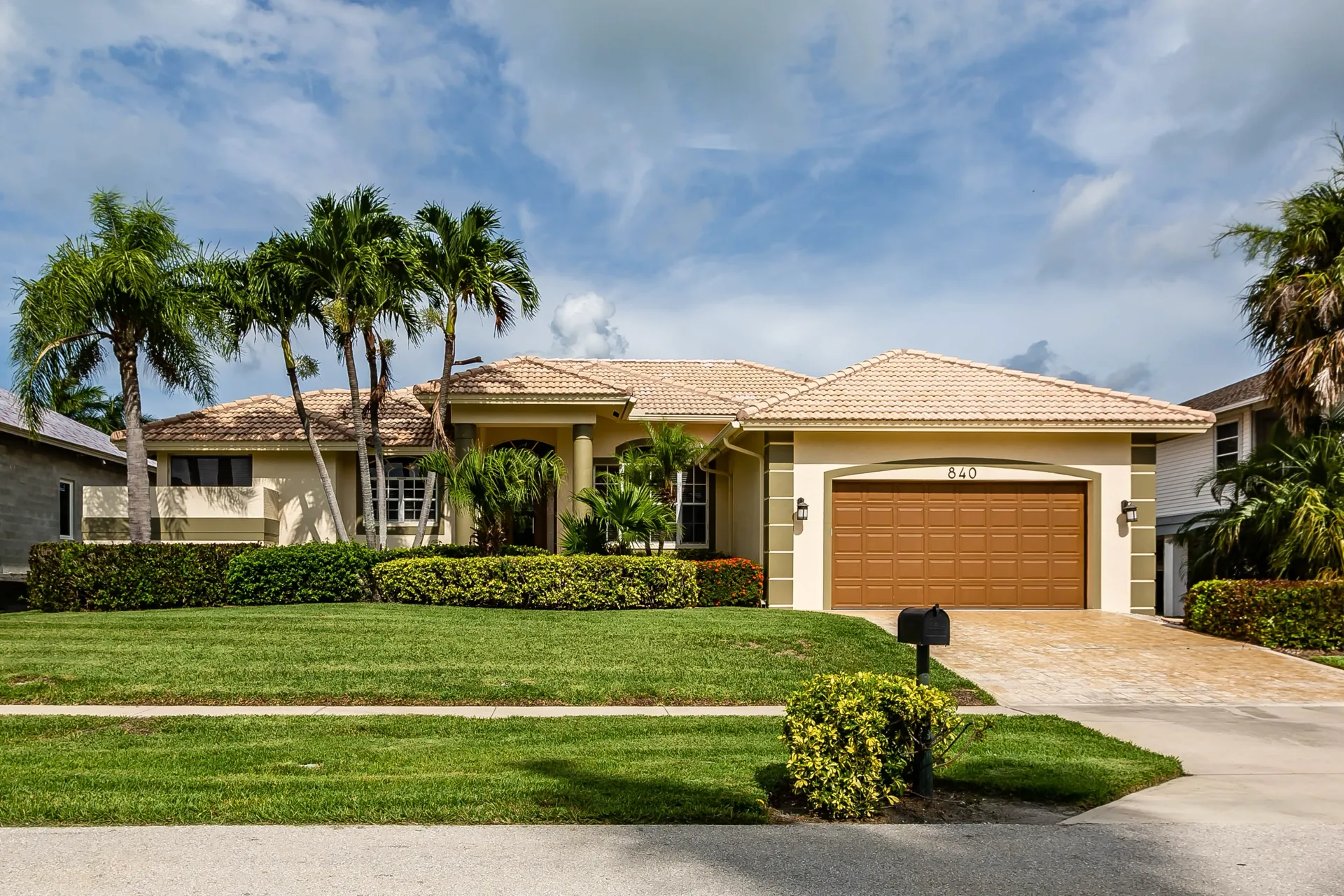
Dreaming of waking up near the water? The Carolina Coast offers a lifestyle built around ocean views, beach days, and a relaxed pace of life. Whether you’re searching for a primary home, second home, or investment property, coastal areas provide strong appeal—especially for buyers interested in vacation rentals or long-term appreciation. You’ll find everything from condos with oceanfront views to single-family homes tucked into quiet beach communities. When buying near the coast, it’s important to factor in items like flood zones, insurance, and property usage guidelines. With the right planning, coastal homeownership can be both a lifestyle upgrade and a smart investment. If you’re looking for a blend of scenery, recreation, and opportunity, the coast is one of the most rewarding places to buy in the Carolinas.
High Country
If cooler temperatures and mountain living are calling your name, the High Country offers a distinct lifestyle that’s hard to replicate. Centered around towns like Boone and Blowing Rock, this region is perfect for buyers looking for a second home, vacation property, or even a full-time retreat. You’ll find everything from cozy cabins to luxury homes with long-range views. The High Country is known for its four-season appeal—hiking in the summer, vibrant fall colors, and even skiing in the winter. Buyers should consider factors like elevation, weather, and accessibility, especially during colder months. If you want a home that feels like a getaway while still being a smart investment, the High Country delivers on both lifestyle and value.
Low Country
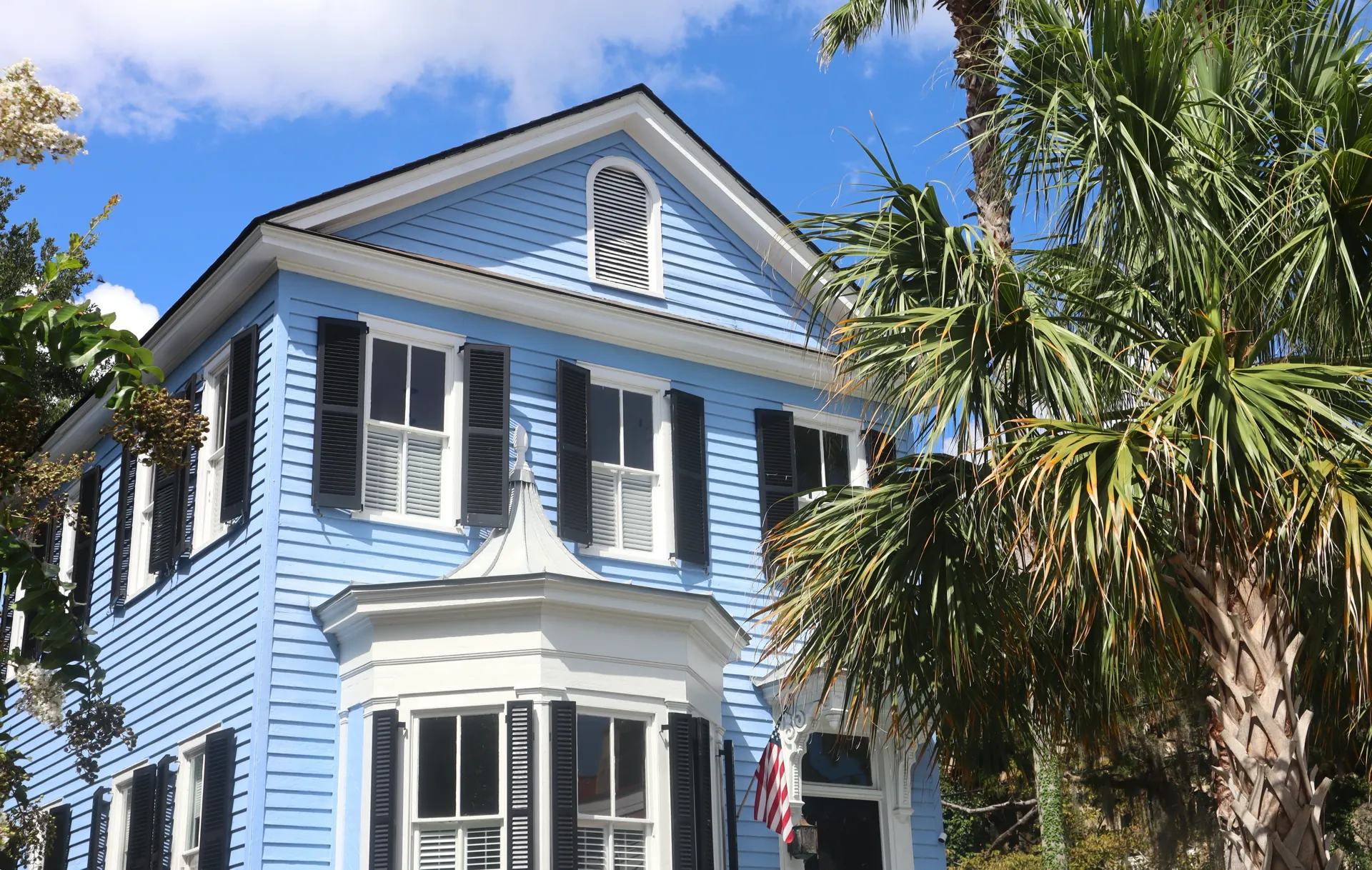
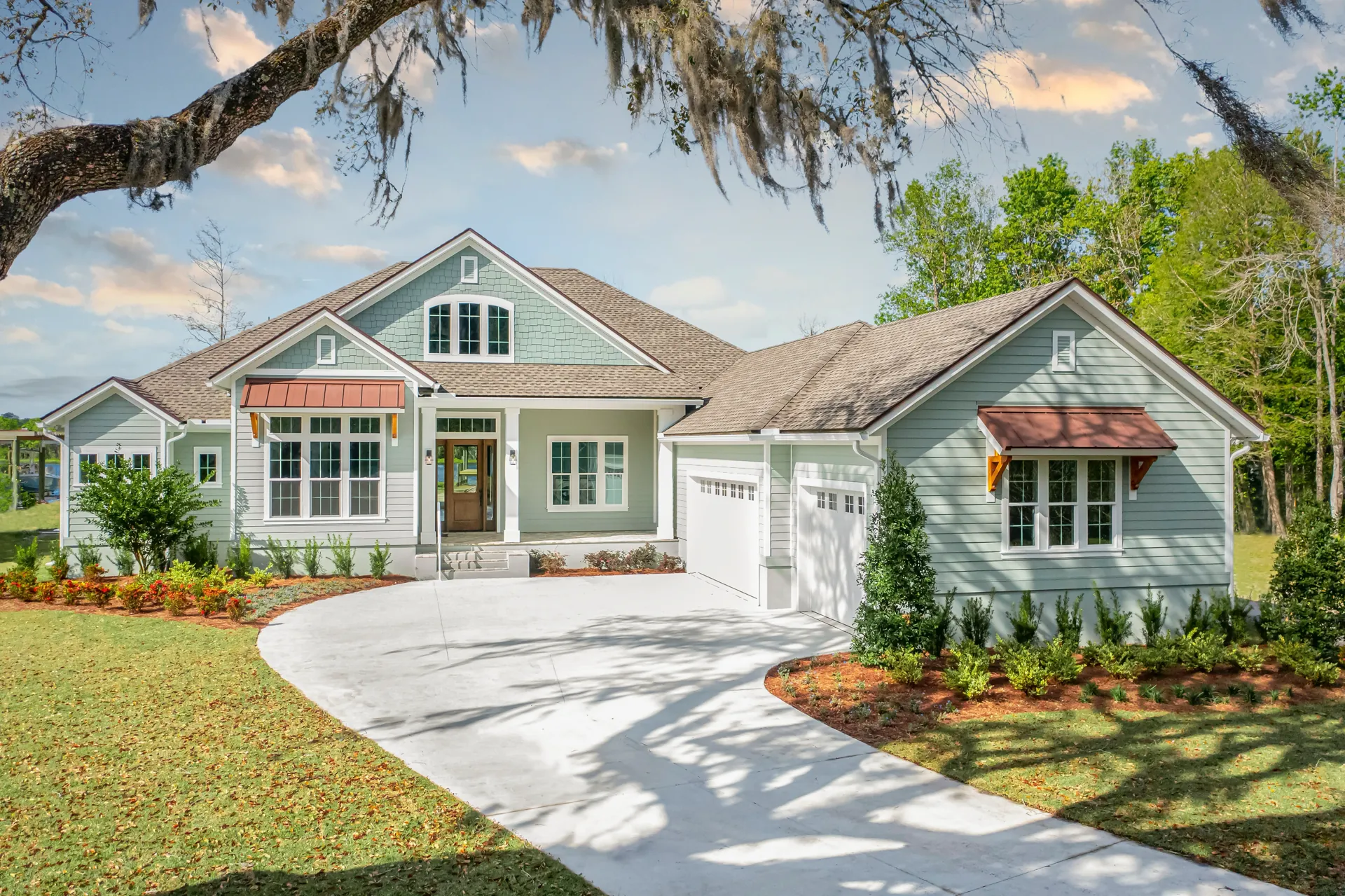
If charm, history, and a slower pace of life are high on your list, the Low Country offers a truly unique homebuying experience. Known for its coastal marshes, scenic waterways, and timeless architecture, this region—especially around Charleston—blends lifestyle and culture in a way few places can. Buyers are drawn to everything from historic homes to newer communities with modern amenities. The Low Country is ideal for those seeking a relaxed, community-focused environment while still enjoying dining, entertainment, and coastal access. Like other coastal regions, it’s important to consider flood zones and insurance as part of your purchase strategy. If you’re looking for character, beauty, and a true Southern lifestyle, the Low Country is a standout choice.
Mountains
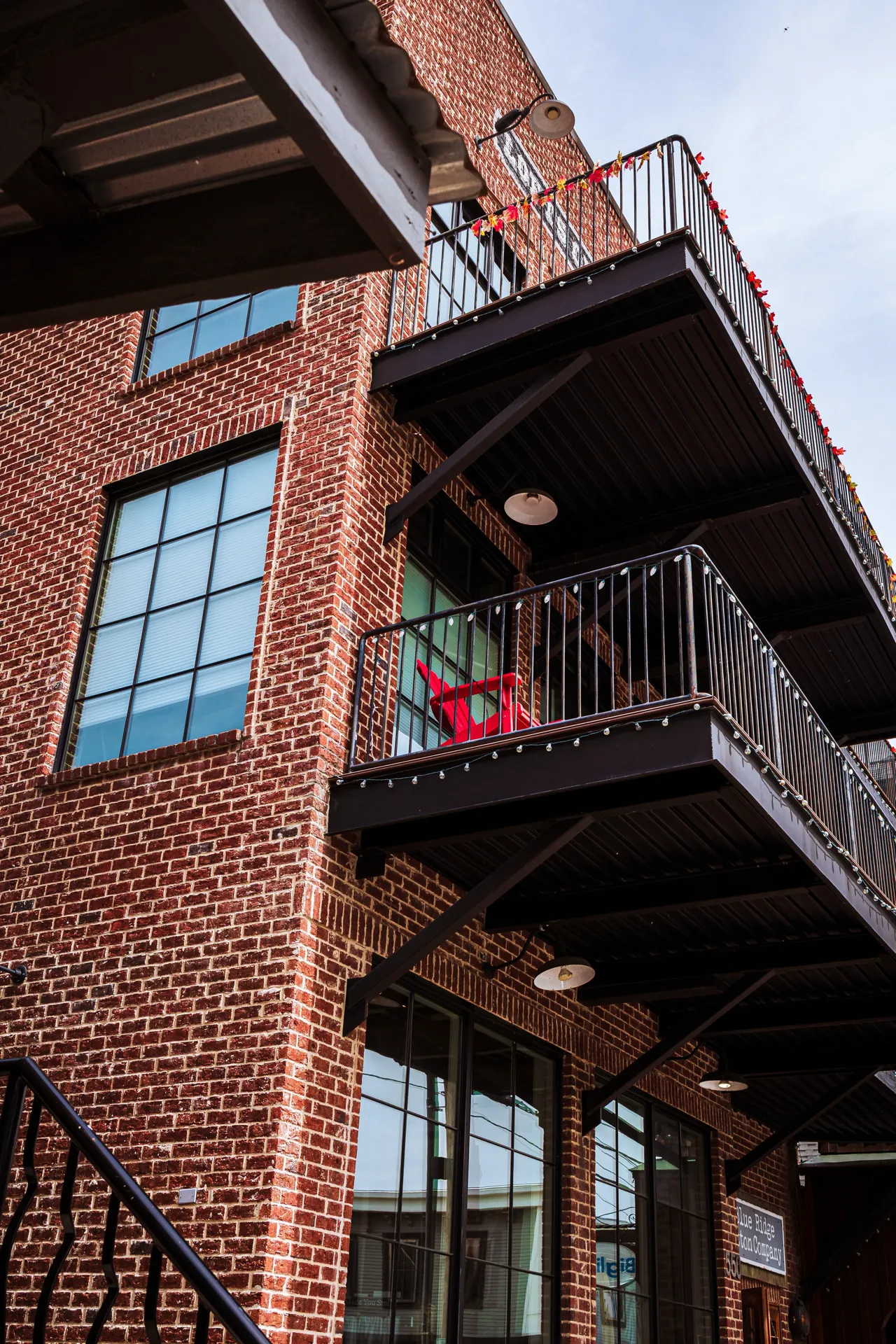
If you’re looking for peace, privacy, and incredible views, the mountain regions of the Carolinas may be the perfect fit. Homes here often offer a true escape—whether it’s a full-time residence, second home, or income-producing rental. Nestled in areas around the Blue Ridge Mountains, buyers are drawn to cabins, custom homes, and properties surrounded by nature. Mountain living comes with a few unique considerations, like road access, elevation, and well/septic systems, but the lifestyle payoff is hard to beat. Cooler temperatures, outdoor recreation, and year-round beauty make this a favorite for those wanting to slow down without sacrificing value. If your goal is space, scenery, and a quieter pace, the mountains offer a compelling place to call home.
Piedmont
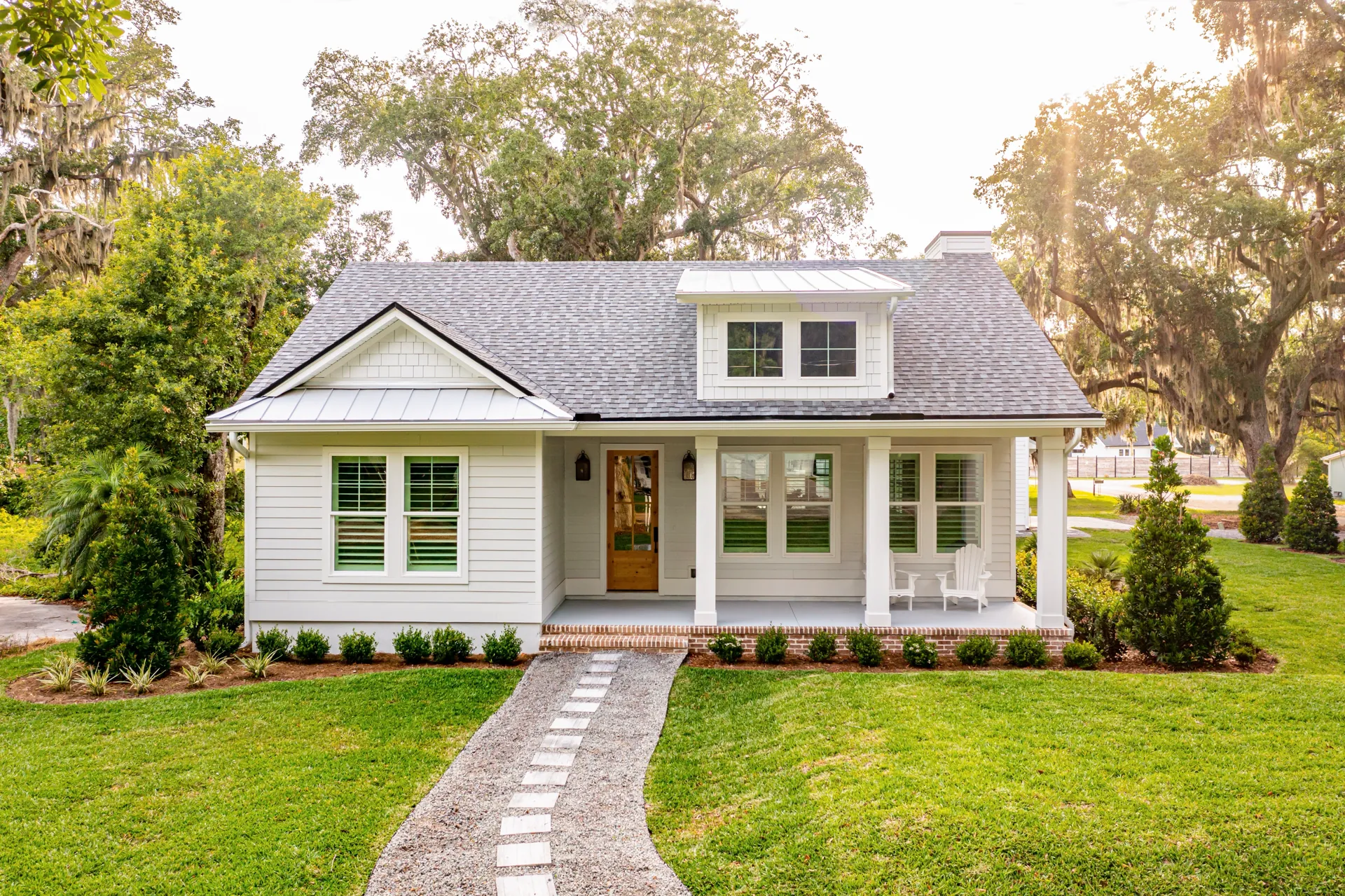
Looking for the right balance between convenience and lifestyle? The Piedmont region offers some of the best all-around opportunities for homebuyers in the Carolinas. Centered around cities like Charlotte and Columbia, this area gives you access to strong job markets, top schools, and a wide range of housing options. Whether you’re buying your first home, upgrading, or relocating, the Piedmont offers flexibility—from new construction communities to established neighborhoods with more space. You’re also within a few hours of both the mountains and the coast, making weekend travel easy. For buyers who want affordability, accessibility, and long-term growth potential, the Piedmont is often the smartest place to start.
Our team of loan officers brings experience, local insight, and a genuine commitment to doing right by our clients and partners.
Whether you’re a buyer, investor, or real estate professional, you’ll work directly with people who understand your goals and your market.

This is just placeholder text. Don’t be alarmed, this is just here to fill up space since your finalized copy isn’t ready yet.
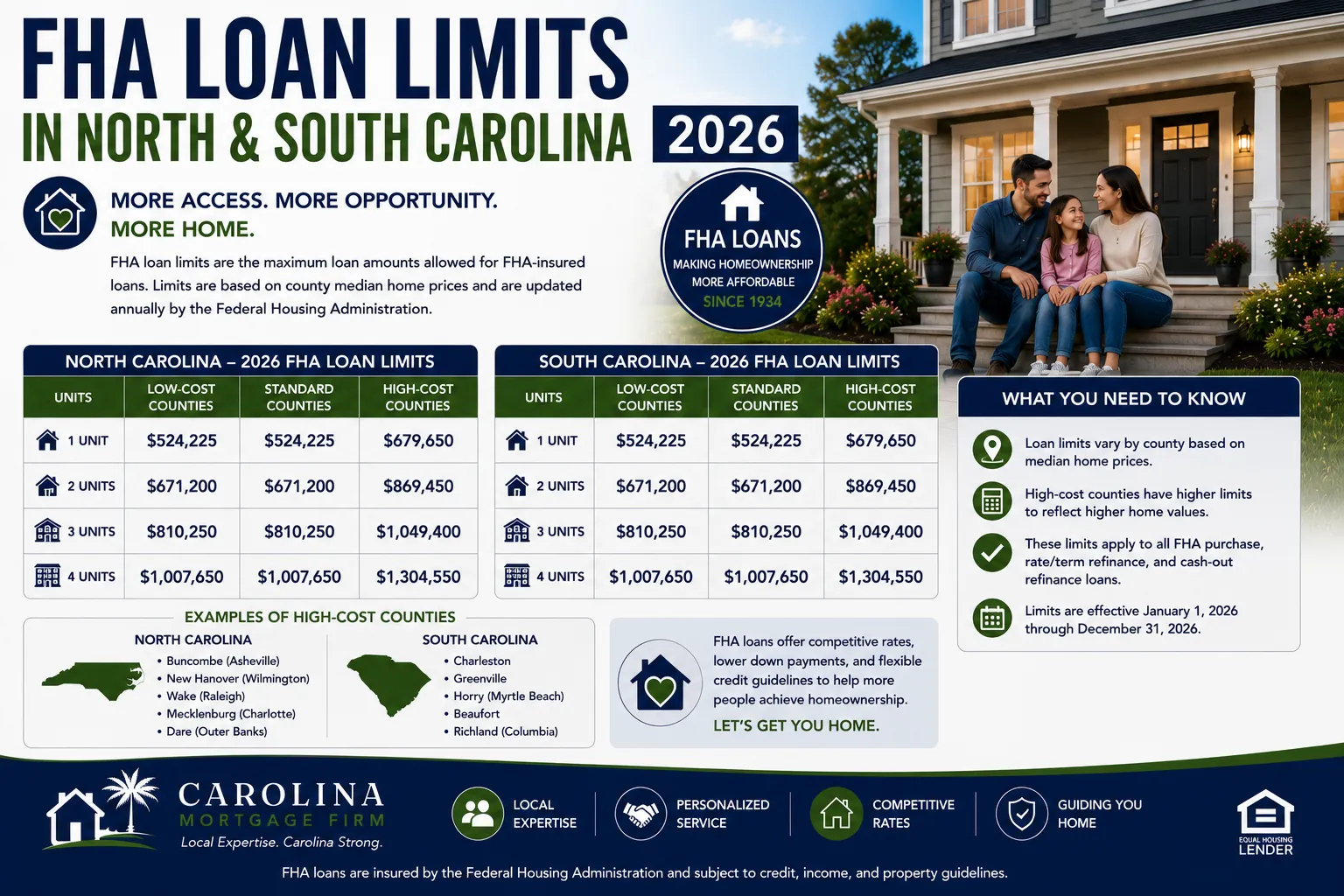
If you’re considering an FHA loan, one of the most important questions to understand is: “How much can I borrow?” The answer depends in part on FHA loan limits. FHA loan limits establish the maximum loan amount that can be insured by the Federal Housing Administration for a specific county. At Carolina Mortgage Firm, we help homebuyers throughout Charlotte, Fort Mill, Indian Land, Rock Hill, Lancaster, Matthews, Waxhaw, Belmont, Huntersville, and surrounding communities understand how FHA loan limits affect their purchasing power. The good news is that FHA loan limits are often higher than many buyers expect, making FHA financing a viable option for a wide range of home prices throughout North and South Carolina. Quick Answer: What Are FHA Loan Limits? FHA loan limits are the maximum mortgage amounts FHA will insure for a property. These limits are determined annually and vary based on: Loan limits help ensure FHA financing remains available while reflecting local real estate markets. Why FHA Loan Limits Exist FHA was created to expand homeownership opportunities while maintaining responsible lending practices. Loan limits help: Promote Affordable Homeownership FHA primarily serves owner-occupied borrowers. Reflect Local Housing Markets Higher-cost areas may receive higher loan limits. Manage Risk Loan limits help maintain the long-term stability of the FHA program. Because housing markets change over time, FHA reviews and adjusts limits periodically. Do FHA Loan Limits Vary by County? Yes. FHA loan limits are established on a county-by-county basis. This means the loan limit in one county may differ from another. For example: A county with higher home values may have a larger FHA loan limit than a county with lower average home prices. This is particularly important for buyers searching across multiple counties in North and South Carolina. Charlotte Metro FHA Loan Considerations Many Carolina Mortgage Firm clients search throughout the greater Charlotte region, including: North Carolina South Carolina Because FHA limits can vary by county, buyers should verify current limits before making purchasing decisions. How FHA Loan Limits Affect Homebuyers Loan limits influence: Maximum FHA Loan Amount The largest FHA-insured mortgage available. Home Shopping Budget Your target purchase price range. Down Payment Requirements Higher-priced homes may require additional funds. Financing Strategy Some buyers may compare FHA and Conventional financing depending on the purchase price. Understanding FHA limits early helps avoid surprises during the home search process. FHA Loan Limits by Property Type Many buyers are surprised to learn that FHA limits vary based on the number of units. Single-Family Homes One-unit primary residences. Duplexes Two-unit properties. Triplexes Three-unit properties. Fourplexes Four-unit properties. Because multi-unit properties often cost more, higher FHA limits may apply. This is particularly beneficial for buyers pursuing house hacking strategies. What If the Home Price Exceeds FHA Loan Limits? If your desired home exceeds FHA loan limits, several options may still be available. Larger Down Payment Reducing the loan amount may keep the transaction within FHA limits. Conventional Financing Many buyers transition to conventional financing when purchasing higher-priced homes. Jumbo Financing For homes exceeding conforming loan limits. Alternative Loan Programs Depending on borrower qualifications and goals. A mortgage consultation can help determine the most effective approach. Are FHA Loan Limits the Same as Conforming Loan Limits? No. FHA loan limits and conventional conforming loan limits are separate programs with different rules. Both are adjusted periodically, but they serve different lending markets. Understanding which program best fits your situation is an important part of the mortgage planning process. Why FHA Loan Limits Matter for First-Time Homebuyers Many first-time buyers assume FHA is only for lower-priced homes. In reality, FHA financing can often accommodate a wide range of home values throughout the Carolinas. Benefits include: Low Down Payment As little as 3.5% down for qualified borrowers. Flexible Credit Requirements FHA remains one of the most accessible loan programs. Multi-Unit Opportunities Duplex, triplex, and fourplex financing may be available. Competitive Financing Many buyers find FHA provides an excellent path to homeownership. Common FHA Loan Limit Myths Myth #1: FHA Is Only for Cheap Homes False. Many moderately priced homes qualify for FHA financing. Myth #2: FHA Loan Limits Are the Same Everywhere False. Limits vary by county. Myth #3: FHA Can’t Finance Multi-Unit Properties False. FHA may finance properties with up to four units when occupancy requirements are met. Myth #4: FHA Is Only for First-Time Buyers False. Repeat buyers frequently use FHA financing. How to Determine Your Maximum FHA Loan Amount Several factors influence qualification. Income Your income helps determine affordability. Debt-to-Income Ratio Monthly obligations affect borrowing power. Credit Score Impacts qualification and financing options. Down Payment Available funds affect purchasing power. FHA County Limits Establish the maximum FHA-insured loan amount. A full pre-approval provides the most accurate estimate. Why Pre-Approval Matters Before shopping for homes, obtaining an FHA pre-approval provides several benefits. Know Your Budget Understand your purchasing power. Verify FHA Eligibility Confirm loan program options. Review County-Specific Limits Ensure your target area aligns with your goals. Strengthen Offers Sellers prefer serious, pre-approved buyers. Why Work With Carolina Mortgage Firm? At Carolina Mortgage Firm, we help buyers throughout: understand FHA loan limits and compare financing options. Because we work with multiple lenders, we can compare: to help you choose the financing solution that best fits your goals. Frequently Asked Questions Do FHA Loan Limits Change Every Year? They may be adjusted periodically based on housing market data. Are FHA Loan Limits Different in North Carolina and South Carolina? Yes, limits can vary by county. Can FHA Be Used for Duplexes and Fourplexes? Often yes, subject to occupancy requirements. What Happens If My Home Price Exceeds FHA Limits? Alternative financing options may be available. How Do I Find Current FHA Limits? A mortgage professional can provide the most current county-specific information. Related FHA Resources Ready to Explore FHA Financing? Whether you’re buying a home in Charlotte, Fort Mill, Indian Land, Rock Hill, Lancaster, or anywhere throughout North or South Carolina, Carolina Mortgage Firm can help you understand FHA loan limits and determine the best financing strategy.…
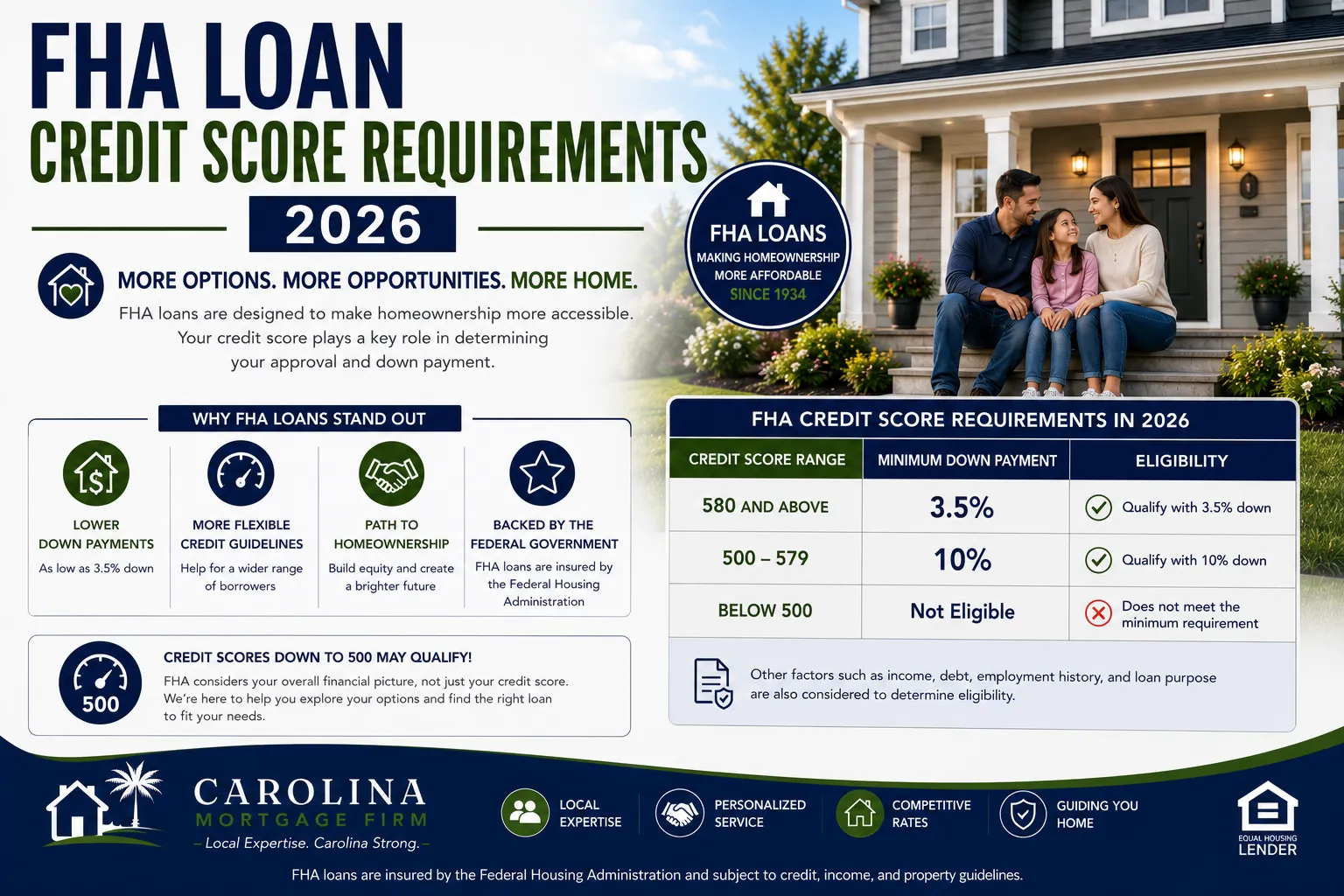
One of the most common questions homebuyers ask is: “What credit score do I need to qualify for an FHA loan?” The good news is that FHA loans were specifically designed to help borrowers achieve homeownership even if they don’t have perfect credit. At Carolina Mortgage Firm, we work with buyers throughout Charlotte, Fort Mill, Indian Land, Rock Hill, Lancaster, Matthews, Waxhaw, and surrounding communities who are often surprised to learn they may qualify for an FHA loan sooner than they expected. While credit scores are important, they are only one piece of the mortgage approval process. Income, employment history, assets, and overall financial stability also play important roles. Let’s take a closer look at FHA credit score requirements and how they may affect your homebuying journey. Quick Answer: FHA Credit Score Requirements For most FHA loans: 580 Credit Score or Higher Borrowers with a credit score of 580 or above may qualify for FHA financing with the minimum required down payment of 3.5%. 500 to 579 Credit Score Borrowers with credit scores between 500 and 579 may still qualify under FHA guidelines, but a larger down payment may be required. Below 500 Credit Score Borrowers below 500 generally do not qualify for FHA financing. It’s important to understand that while FHA establishes these minimum guidelines, individual lenders may have additional requirements known as “overlays.” Why FHA Loans Are Popular for First-Time Homebuyers FHA loans are often considered one of the most accessible mortgage options available. Benefits include: Because of these advantages, FHA financing remains one of the most popular options for first-time homebuyers throughout North and South Carolina. How Credit Scores Affect FHA Loans Many borrowers assume FHA approval is based solely on a credit score. That is not true. Your credit score helps lenders evaluate risk, but underwriters also review: Payment History Have you made your obligations on time? Collection Accounts Certain collections may require additional review. Bankruptcies Past bankruptcies do not automatically disqualify borrowers. Foreclosures Waiting periods may apply, but future homeownership is often possible. Overall Credit Profile Lenders look at the complete picture rather than a single number. A borrower with a 620 score and strong financial habits may be viewed differently than a borrower with a similar score and recent credit issues. What If My Credit Score Is Below 580? Many buyers believe they must wait years before qualifying for a mortgage. Often, that’s not the case. If your score is below 580, there may be opportunities to improve it relatively quickly. Common strategies include: Paying Down Credit Card Balances Reducing credit utilization can often have a positive impact. Correcting Credit Report Errors Reviewing your credit report for inaccuracies is important. Making All Payments On Time Consistent payment history is one of the most significant scoring factors. Avoiding New Debt Opening new accounts can temporarily impact scores. Many buyers are surprised by how much improvement can occur within several months. FHA Credit Scores vs Conventional Loans Many buyers compare FHA financing with Conventional financing. Generally speaking: FHA Loans Often provide greater flexibility for borrowers with lower credit scores. Conventional Loans May offer lower overall borrowing costs for borrowers with stronger credit profiles. This is why we often compare both options before making recommendations. Sometimes FHA is clearly the better choice. Other times, Conventional financing may provide long-term savings. What Credit Score Gets the Best FHA Interest Rate? While FHA loans remain available across a range of credit profiles, higher scores often receive more favorable pricing. Generally: 580-619 May qualify but could receive less favorable pricing. 620-679 Often provides improved loan options. 680-739 Typically viewed favorably by lenders. 740+ Often receives the strongest available pricing. Even if your score is not perfect, FHA financing may still provide an excellent path to homeownership. Common FHA Credit Score Myths Myth #1: I Need Perfect Credit False. Many FHA borrowers purchase homes with scores well below what people consider “perfect.” Myth #2: One Late Payment Means Automatic Denial False. Lenders evaluate the overall credit profile. Myth #3: Collections Automatically Disqualify Me Not necessarily. Each situation is reviewed individually. Myth #4: I Should Wait Until My Score Is 700 Not always. Many buyers qualify long before reaching a 700 score. Waiting may cause you to miss opportunities if home prices continue rising. Other Factors Lenders Consider Even with an acceptable credit score, lenders review additional factors. Income Stable and documentable income is important. Employment Consistent employment history strengthens a mortgage application. Assets Lenders review available funds for down payment and closing costs. Debt-to-Income Ratio Monthly obligations must fit within program guidelines. Because mortgage approval involves multiple factors, a full pre-approval review provides the most accurate answers. Why Pre-Approval Matters The fastest way to determine whether you qualify is through a mortgage pre-approval. Benefits include: Understanding Your Options Compare FHA, Conventional, VA, and USDA financing. Identifying Improvement Opportunities Know exactly what changes could strengthen your application. Establishing a Budget Understand how much home fits your goals. Shopping With Confidence Know your financing has already been reviewed. Many buyers discover they are closer to homeownership than they expected. Why Work With Carolina Mortgage Firm? At Carolina Mortgage Firm, we help buyers throughout: understand their credit profile and compare mortgage options. Because we work with multiple lenders, we can compare: to help identify the financing strategy that best fits your goals. Frequently Asked Questions Can I Get an FHA Loan With a 580 Credit Score? In many cases, yes. Can I Get an FHA Loan With a 600 Credit Score? Often yes, provided other qualification requirements are met. What If My Score Is Below 580? There may be steps you can take to improve your score and qualify. Does FHA Require Perfect Credit? No. Should I Apply Even If I’m Unsure? Absolutely. A pre-approval review provides clarity and often identifies opportunities you may not realize exist. Related FHA Resources Ready to Find Out If You Qualify? Whether you’re buying your first home in Charlotte, relocating to Fort Mill, purchasing in Indian Land, moving…
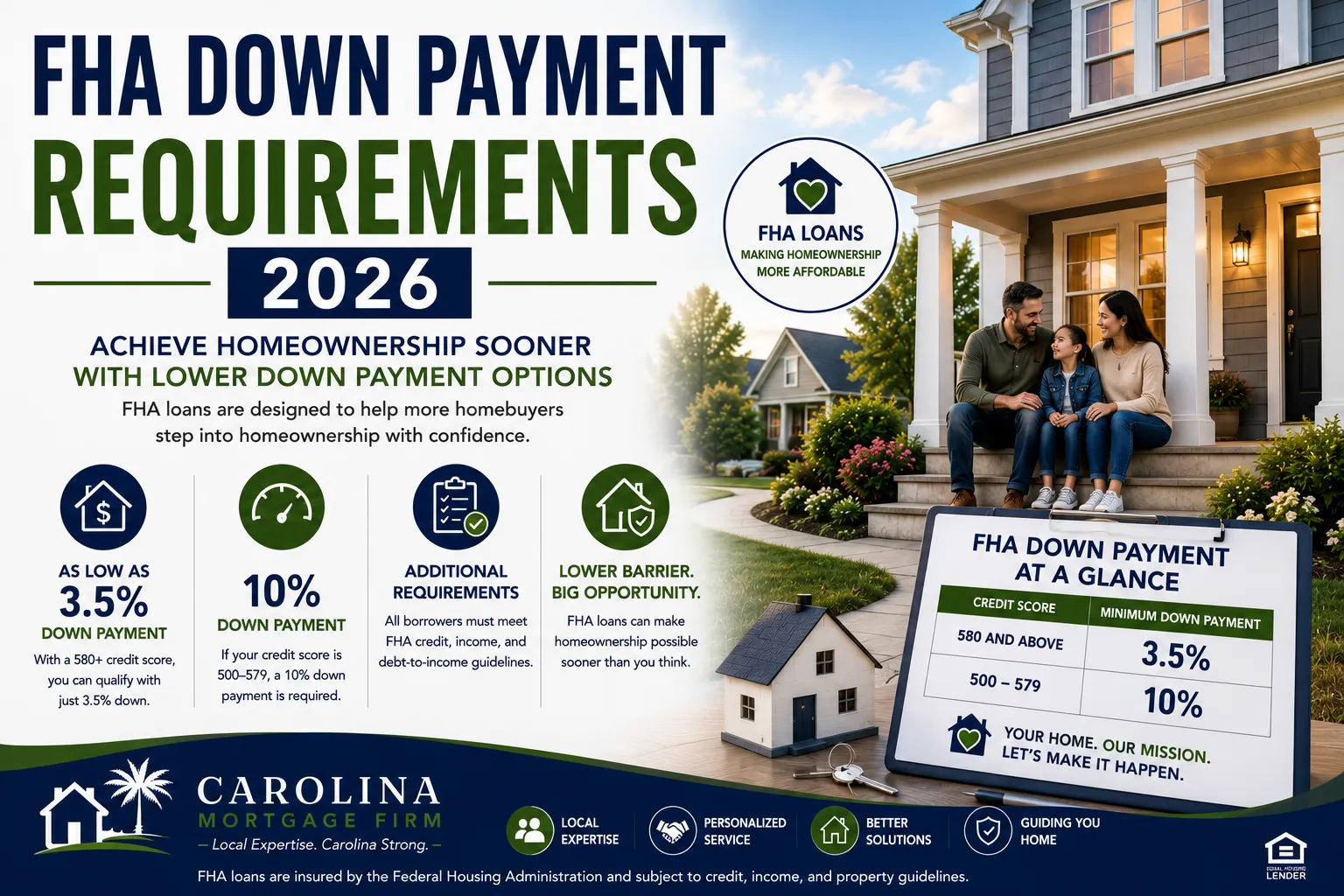
One of the biggest misconceptions about buying a home is that you need a 20% down payment. The reality is that many homebuyers purchase homes with significantly less money down, especially when using an FHA loan. At Carolina Mortgage Firm, one of the most common questions we hear from first-time homebuyers throughout Charlotte, Fort Mill, Indian Land, Rock Hill, Lancaster, Matthews, Waxhaw, and surrounding communities is: “How much money do I need for an FHA down payment?” The answer is often much less than buyers expect. Let’s explore how FHA down payments work and what options are available to help you achieve homeownership sooner. Quick Answer: FHA Down Payment Requirements For most FHA loans: Minimum Down Payment: 3.5% Borrowers with qualifying credit scores can purchase a home with as little as 3.5% down. For example: Purchase PriceMinimum FHA Down Payment$250,000$8,750$300,000$10,500$350,000$12,250$400,000$14,000$500,000$17,500 Compared to a traditional 20% down payment, FHA financing can dramatically reduce the amount of cash needed to purchase a home. Why FHA Loans Were Created The FHA loan program was designed to help more Americans achieve homeownership. Many buyers have: but struggle to save large down payments. By allowing lower down payments, FHA financing helps qualified buyers enter the housing market sooner. This is one reason FHA remains one of the most popular mortgage programs in the United States. Do I Need 20% Down? No. This is perhaps the biggest myth in homeownership. While putting 20% down can provide benefits, many buyers successfully purchase homes with: Waiting years to save 20% may not always be the best strategy, especially if home prices continue to rise. A mortgage consultation can help determine the most appropriate option based on your goals. Can Gift Funds Be Used for an FHA Down Payment? Yes. One of the most attractive features of FHA financing is the ability to use gift funds. Gift funds can often be used for: Many first-time buyers receive assistance from family members to help achieve homeownership. Proper documentation is required, including a gift letter and verification of funds. What Is a Gift Letter? A gift letter is a document confirming that funds being provided are a gift rather than a loan. The letter typically includes: Your mortgage advisor will help ensure proper documentation is obtained. Can Down Payment Assistance Be Used With FHA Loans? In many cases, yes. Numerous down payment assistance programs are available throughout North and South Carolina. These programs may help cover: Some assistance programs are structured as: Eligibility varies based on program guidelines. What Other Costs Should Buyers Expect? The down payment is only one part of the homebuying process. Additional costs may include: Closing Costs Expenses associated with obtaining the mortgage. Homeowners Insurance Required by most lenders. Property Taxes Collected through escrow in many situations. Prepaid Expenses Items such as interest and insurance reserves. The good news is that seller concessions and assistance programs may help offset some of these expenses. Example FHA Purchase Scenario Let’s assume a buyer purchases a home for: $325,000 Minimum FHA Down Payment: 3.5% = $11,375 The buyer may also be able to use: As a result, the amount of personal funds required may be less than many buyers expect. Every situation is unique, which is why obtaining a personalized mortgage review is important. FHA vs Conventional Down Payments Many buyers compare FHA and Conventional financing. FHA Loan Minimum down payment often starts at 3.5%. Benefits include: Conventional Loan Certain programs allow as little as 3% down. Benefits may include: Common FHA Down Payment Myths Myth #1: I Need 20% Down False. Most FHA borrowers purchase with 3.5% down. Myth #2: The Down Payment Must Come From My Savings False. Gift funds and assistance programs may be available. Myth #3: FHA Is Only for First-Time Buyers False. Many repeat buyers use FHA financing. Myth #4: FHA Loans Are Difficult to Qualify For Not necessarily. FHA financing was designed to make homeownership more accessible. How to Prepare for an FHA Down Payment If you’re planning to buy a home in the next 6-12 months, consider: Building Savings Even modest monthly contributions add up. Avoiding Large Unnecessary Purchases Preserve funds for your home purchase. Monitoring Your Credit Stronger credit profiles often create more options. Exploring Assistance Programs Many buyers qualify for programs they didn’t know existed. Why Pre-Approval Matters The best way to determine exactly how much money you’ll need is through a mortgage pre-approval. Benefits include: Understanding Your Budget Know what price range makes sense. Reviewing Loan Options Compare FHA, Conventional, VA, and USDA financing. Identifying Assistance Programs Discover available grants and assistance opportunities. Shopping With Confidence Know exactly where you stand before looking at homes. Why Work With Carolina Mortgage Firm? At Carolina Mortgage Firm, we help buyers throughout: understand down payment requirements and identify programs that may reduce upfront costs. We compare: to help buyers choose the financing solution that best fits their goals. Frequently Asked Questions What Is the Minimum FHA Down Payment? Typically 3.5% of the purchase price. Can I Use Gift Funds? Yes, with proper documentation. Can Down Payment Assistance Be Combined With FHA? Often yes. Do I Need 20% Down? No. Can FHA Be Used by Repeat Buyers? Absolutely. Related FHA Resources Ready to Explore FHA Financing? Whether you’re buying your first home in Charlotte, moving to Fort Mill, relocating to Indian Land, purchasing in Rock Hill, or searching throughout Lancaster County, Carolina Mortgage Firm can help you understand your FHA options and determine exactly how much money you’ll need to buy a home. Contact our team today for a personalized mortgage consultation and FHA pre-approval.